New Construction vs. Resale in Tampa, Austin, Raleigh and San Antonio: Zillow Data Shows Where Builders Are Cutting Prices
Compare Austin vs Tampa side by side
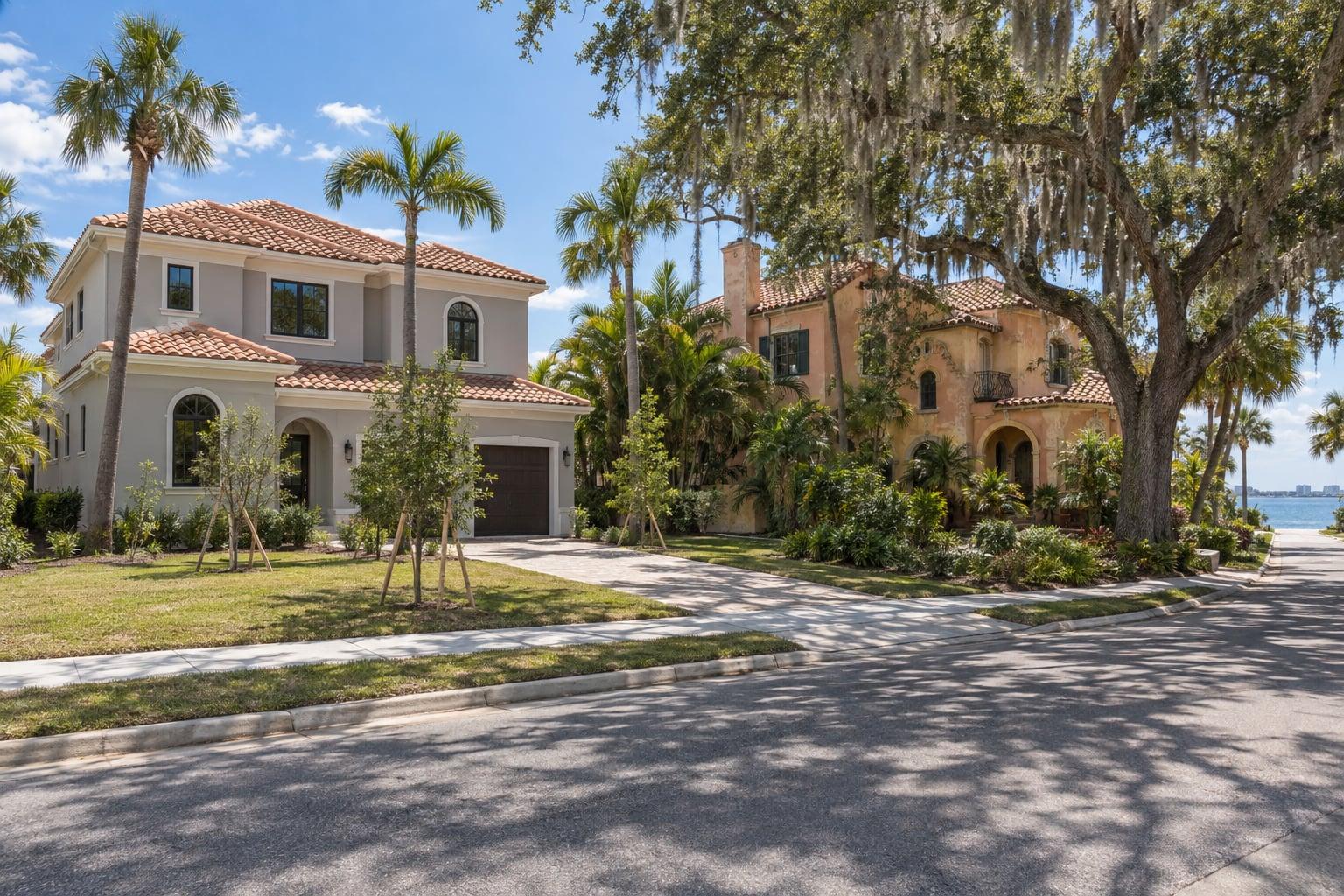
If you're shopping for new homes in Austin, Raleigh or Tampa, the old rule that new costs more doesn't hold right now. The discount is deepest in those three metros, where the median new build sells for well below the median resale per square foot. It is much smaller in San Antonio, at $156 vs. $164 per square foot (Source: Zillow Research, July 2026). Individual homes vary, so a new build won't always beat a resale.
Here's what Zillow's latest numbers show, why builders are discounting, and how to decide which side of the market fits your move.
The Price Gap, Metro by Metro
Zillow Research compared median price per square foot for new and existing homes across 50 major metros. Nationally, new construction sold for $205 per square foot against $212 for existing homes (Source: Zillow Research, July 2026).
In these four metros, the gap is wider:
- Austin: $184 new vs. $228 existing, a 19.3% discount and the deepest of the 50 metros Zillow analyzed (Source: Zillow Research, July 2026)
- Raleigh: $188 new vs. $219 existing, a 14.4% discount (Source: Zillow Research, July 2026)
- Tampa: $198 new vs. $226 existing, a 12.4% discount (Source: Zillow Research, July 2026)
- San Antonio: $156 new vs. $164 existing (Source: Zillow Research, July 2026)
On a 2,000-square-foot house, that works out to roughly $56,000 less for a new build in Tampa and roughly $88,000 less in Austin, based on SunBeltPulse's own calculation from Zillow's medians (Source: Zillow Research, July 2026).
That can reshape your neighborhood shortlist.
Why Builders Are Cutting Prices
They built a lot of houses.
Zillow tied the steepest discounts to metros that built heavily during the boom and ended up with finished homes waiting on offers. A builder competing against rows of rival listings has every reason to deal.
The sales mix shows the scale. New homes made up 37.1% of sales in San Antonio, 33.6% in Raleigh and 31.1% in Austin over the 12 months to July 2026, versus 12.6% nationally (Source: Zillow Research, August 2025–July 2026). Nationally, new-home supply hit 9.6 months in the Census Bureau's initial July release, a figure later revised to 9.0 months (Source: U.S. Census Bureau, July 2026).
Permits are now cooling in parts of the region. Austin authorized 2,605 housing units, down 10.7% from a year earlier, and Raleigh authorized 1,538, down 17.0% (Source: Census Bureau Building Permits Survey, July 2026). Tampa ran the other way at 2,163 units, up 37.8% (Source: Census Bureau Building Permits Survey, July 2026). Single months are volatile, so our Sun Belt permit collapse analysis is the better read on the longer trend.
Discounting is widespread, too. Nationally, 38% of builders cut prices, by 6% on average, and 66% used sales incentives (Source: NAHB/Wells Fargo Housing Market Index, September 2026).
When Buying New Makes Sense
- The builder will buy down your rate. With the 30-year fixed at 7.28% (Source: Freddie Mac Primary Mortgage Market Survey, week of October 1, 2026), a lower rate can matter as much as the sticker price.
- You want fewer surprise repairs. A new roof, HVAC system and water heater lower your maintenance exposure in the early years.
- Insurance is a big line item. In Florida, homes built to current code may qualify for lower premiums than older ones, so get insurance quotes on both before you compare. Our Florida Citizens rate-cut coverage explains the reforms behind that.
When Resale Still Wins
- Location. New subdivisions often sit on the metro's edge. A resale can put you closer to work.
- Lot size. Older homes frequently come with bigger yards.
- Ongoing fees and taxes. Resale homes in established neighborhoods without a MUD or HOA can avoid those costs. New Texas communities often add a municipal utility district (MUD) tax and HOA dues on top of county and school taxes. Ask for the total tax rate before you compare.
Read the Price Gap Carefully
Price per square foot is a blunt tool. The new and existing homes in Zillow's comparison aren't identical properties, and the figure doesn't adjust for lot size, finish level, location or incentives that never show up in the sale price.
A builder-grade kitchen and a fully renovated one count the same per square foot. So does a house at the metro's edge versus one near downtown.
Rates change the math too. At 7.28%, interest takes a large share of your early payments, so a builder buydown can be worth more than a slightly lower resale price. Run both scenarios.
How to Negotiate With a Builder
A Zillow economist said in the company's release that where the most homes have been built, "buyers are in the best position to negotiate." Use that leverage.
- Get the incentive menu in writing. Rate buydown, closing costs, upgrades or a price cut: ask which ones can be combined.
- Check the buydown type. A temporary buydown expires; a permanent one lasts the life of the loan. Compare it against an outside lender's quote.
- Start with finished spec homes. Completed inventory is what builders most need to move.
Before you sign, run each offer through a mortgage calculator at both the bought-down rate and 7.28%, then check Tampa housing market data or the Austin vs Tampa housing comparison for local context. If you're buying in Austin, Raleigh or Tampa this fall, tour at least one finished new build before you make an offer on a resale.
This article was researched and drafted with AI assistance, fact-checked, and reviewed by an editor before publication — see our Editorial Standards. It is general information about real estate markets, not financial, investment, legal, or real estate advice; consult a licensed professional before acting. See our full disclosure.
More market analysis
Sun Belt Builder Retreat: Austin Down 25%, San Antonio Down 24% — What a 44-Month Permit Slump Means for Home Buyers
4 min read
Jacksonville Is the #1 City for First-Time Homebuyers in 2026 — Here's What the Data Shows
5 min read
Austin's Two-Speed Construction Market: Travis County Grows While Suburbs Pull Back in 2025
5 min read
Side-by-side
Beyond the calculator: see our full relocation toolkit — movers, agents, insurance, and city-test rentals.